Bancha Tea: The Everyday Green Tea with Extraordinary Wellness Roots
Société Team
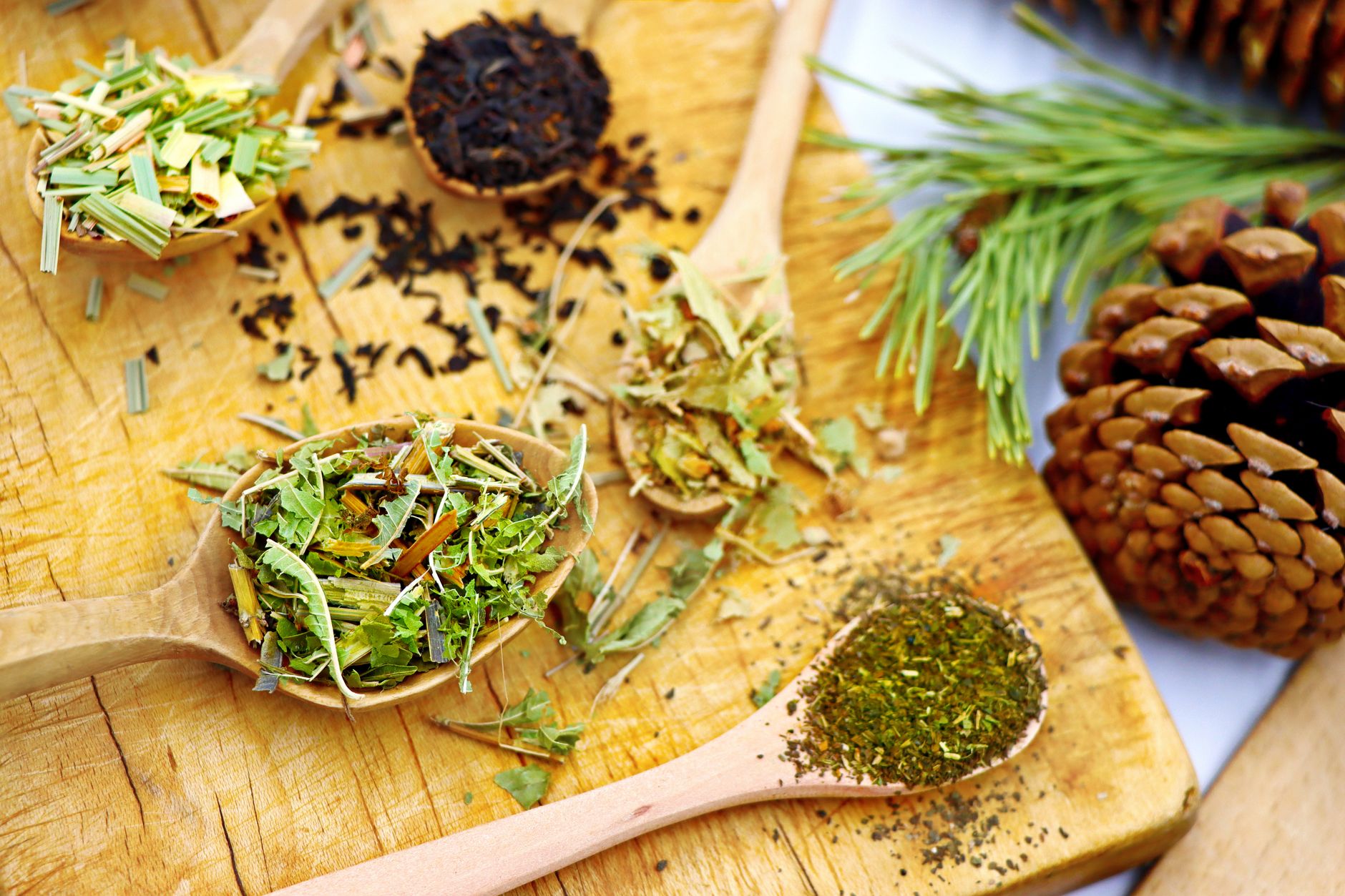
The Quiet Power of an Everyday Cup In the world of Japanese tea culture, bancha occupies a uniquely humble and deeply respected place. While other teas compete for prestige, bancha tea has been quietly nourishing families across Japan for centuries — served at breakfast tables, poured alongside meals, and offered to children and elders alike. Its name translates roughly to "common tea" or "番茶" in Japanese, yet what bancha lacks in ceremony, it more than compensates for in grounded, everyday wellness wisdom. This is a tea rooted in practicality, tradition, and a deep respect for the whole leaf — not just the finest tips. For those exploring herbal wisdom through the lens of whole-plant medicine, bancha tea offers a rich and accessible entry point. It bridges the world of culinary tradition and plant-based wellness in a way few other botanicals can. > "The most nourishing things in life are often the most ordinary. Bancha is the tea of the people — steady, warm, and always there." > — Traditional Japanese tea philosophy MATERIA MEDICA Scientific Name: Camellia sinensis (L.) Kuntze Common Names: Bancha tea, coarse tea, common green tea, everyday tea, Japanese bancha Family: Theaceae Parts Used: Mature leaves, stems, and twigs harvested in later seasonal flushes Origin: Japan; cultivated primarily in Shizuoka, Kyoto (Uji region), and Kagoshima prefectures Taste: Mild, slightly earthy, subtly toasty, with a clean grassy finish Energetics: Cooling to neutral; gently stimulating Actions: - Antioxidant - Mild stimulant (low caffeine) - Digestive tonic - Anti-inflammatory - Antimicrobial - Nervine (gentle) - Metabolic support - Alkalizing to the body Chemical Constituents: - Catechins (EGCG, EGC, ECG, EC) - L-theanine - Caffeine (low levels — approximately 10–20 mg per cup) - Polyphenols and flavonoids - Chlorophyll - Vitamin C - B vitamins (B1, B2, B6) - Fluoride - Manganese - Zinc and potassium - Tannins Physical Description and Botanical Characteristics Bancha tea comes from the same botanical species as all true teas — Camellia sinensis — yet its botanical characteristics set it apart from higher-grade green teas in meaningful ways. Where sencha is harvested from the tender first and second flushes of spring, bancha is gathered from later flushes, typically from summer through autumn. The leaves used for bancha are larger, more mature, and often harvested with small stems and twigs still attached. This later harvest means the leaves have had more time on the plant, accumulating different phytochemical ratios — notably lower caffeine and higher mineral content compared to younger flush teas. The finished tea has a light greenish-yellow to golden brew color. Its aroma is mild and grassy, sometimes with a subtle hay-like quality that makes it instantly approachable and deeply comforting. Habitat, Harvest, and Collection The Camellia sinensis plant thrives in humid, subtropical to temperate climates with well-drained, slightly acidic soils. In Japan, the finest growing regions benefit from mist-covered mountain slopes and consistent rainfall, which contribute to the plant's rich phytochemical profile. Bancha is typically harvested two to four times per year , with the first flush (ichibancha) being reserved for premium teas like gyokuro or high-grade sencha. Bancha is collected from the second, third, and fourth flushes , making it a more sustainable and widely available product. Leaves are steamed shortly after harvest to halt oxidation — a hallmark of Japanese green tea processing. They are then rolled and dried, preserving their green color and delicate compounds. This careful process is why bancha retains meaningful levels of antioxidants and L-theanine despite being a later-season leaf. Qualities, Energetics, and Traditional Uses In Japanese macrobiotics — a whole-food wellness philosophy developed in the 20th century — bancha holds a position of particular importance. Macrobiotic practitioners have long valued bancha tea for its alkalizing properties and gentle effect on the digestive system. It has traditionally been recommended as a daily beverage for people of all ages, including those sensitive to caffeine. The energetic properties of bancha are considered cooling to neutral, making it appropriate across seasons. Unlike strongly cooling green teas, bancha's more mature leaf profile gives it a slightly grounding, stabilizing quality that practitioners associate with digestive harmony and nervous system ease. Its traditional uses in Japan include: - Serving as a gentle digestive aid after meals - Supporting hydration for children and the elderly due to its low caffeine content - Acting as a daily tonic in macrobiotic households - Being used as a soothing, warming beverage during illness - Providing a calming alternative to coffee for those reducing caffeine intake These traditional uses reflect centuries of lived herbal wisdom — a plant meeting the daily needs of real people across generations. Bancha Tea Benefits and Modern Wellness Applications Modern interest in bancha tea benefits has grown significantly as people seek gentle, functional beverages that support health without overstimulation. Several of bancha's most notable wellness attributes are worth exploring in depth. Bancha tea's low caffeine content — roughly 10–20 mg per cup compared to 70–140 mg in coffee — makes it one of the most accessible caffeinated teas for sensitive individuals. The presence of L-theanine alongside caffeine creates a calm, focused alertness rather than jittery stimulation. For those exploring bancha tea benefits for weight loss , the catechin content (particularly EGCG) has been studied for its role in supporting metabolic rate and fat oxidation. While no tea is a magic solution, incorporating bancha as part of a balanced lifestyle provides antioxidant and metabolic support with minimal side effects. Bancha also compares favorably on the bancha tea vs sencha spectrum for everyday drinking. Sencha tends to be more grassy, astringent, and higher in caffeine — beautiful for a mindful morning cup. Bancha is gentler, more forgiving to brew, and suitable for all-day consumption. Finally, bancha's rich polyphenol and tannin content gives it mild antimicrobial properties , which has led to its traditional use as a mouthwash and digestive rinse in some Japanese folk practices. Recipe 1: Classic Bancha Infusion (Hot or Iced) The most nourishing way to begin with bancha is simply — brewed with care and intention. Ingredients: - 1 tablespoon loose-leaf bancha tea leaves (or 1–2 bancha tea bags) - 8 oz filtered water - Optional: a thin slice of fresh ginger or a strip of lemon peel Preparation: 1. Heat water to approximately 170–185°F (76–85°C) — do not use boiling water, as it can make the tea bitter. 2. Place bancha leaves or bag in your cup or teapot. 3. Pour hot water over the leaves and steep for 2–3 minutes . 4. Remove leaves promptly and sip as is, or add ginger for digestive support. 5. For iced bancha: brew double-strength, then pour over a full glass of ice. Bancha is exceptionally forgiving to brew — even if steeped a minute or two longer, it rarely becomes unpleasantly bitter. Recipe 2: Bancha Wellness Tonic Syrup This concentrated bancha syrup can be added to sparkling water, stirred into warm oat milk, or drizzled over desserts. It captures bancha's antioxidants in a versatile, shelf-stable format. Ingredients: - 3 tablespoons loose-leaf bancha tea leaves - 2 cups filtered water - 1 cup raw honey or pure cane sugar - 1 teaspoon fresh lemon juice - Optional: 1 small cinnamon stick or 3 cardamom pods Preparation: 1. Bring water to 180°F and steep bancha leaves for 5 minutes. Strain and discard leaves. 2. Pour the strong bancha brew into a small saucepan over low-medium heat. 3. Add honey (or sugar) and optional spices. Stir gently until fully dissolved — do not boil. 4. Remove from heat, add lemon juice, and let cool completely. 5. Pour into a sterilized glass jar. Store refrigerated for up to 3 weeks . 6. Use 1–2 tablespoons per serving in your preferred beverage or recipe. Recipe 3: Bancha Tea Facial Steam and Toner Bancha's antioxidant and mild antimicrobial properties make it a beautiful addition to a simple skincare ritual. This two-step preparation works as both a facial steam and a gentle toner. Ingredients: - 2 tablespoons loose-leaf bancha tea leaves - 4 cups filtered water - 1 teaspoon raw apple cider vinegar (for the toner step) - Optional: 2 drops of pure lavender essential oil Preparation: 1. Bring water to a gentle simmer (not a rolling boil). Remove from heat. 2. Add bancha leaves and steep for 5 minutes. 3. Facial Steam: Pour steeped tea (still steaming) into a heat-safe bowl. Position your face 10–12 inches above the bowl, drape a towel over your head, and steam gently for 5–8 minutes. This opens pores and delivers antioxidants to skin. 4. Allow remaining tea to cool completely to room temperature. 5. Toner: Strain cooled bancha tea into a clean bottle. Add apple cider vinegar and lavender oil if using. Shake gently. 6. Apply to cleansed skin with a cotton pad morning and evening. Store in the refrigerator for up to 5 days . This gentle toner is suitable for most skin types and particularly soothing for those dealing with redness or environmental stress. Indications, Considerations, and Where to Find Bancha Tea Bancha tea is appropriate for a wide range of individuals. Its indications include: - Supporting healthy digestion and gut comfort - Providing a gentle caffeine lift without anxiety or sleep disruption - Offering antioxidant support for daily cellular health - Assisting metabolic wellness as part of a balanced diet - Serving as a calming, grounding beverage for those reducing coffee intake Bancha is generally considered very safe for regular use. Those who are pregnant, nursing, or sensitive to tannins should use moderation, as with any tea. Individuals on iron-restricted diets should avoid drinking bancha immediately with iron-rich meals, as tannins can temporarily inhibit iron absorption. If you're wondering where to buy bancha tea or searching for bancha tea near me , sourcing from a trusted, quality-focused provider makes a meaningful difference in flavor and potency. Look for loose-leaf bancha from reputable Japanese growing regions for the fullest expression of this wonderful plant. Bring Bancha Into Your Daily Ritual Bancha tea is one of those rare botanical allies that asks very little of you — only a few minutes, some warm water, and a quiet moment. Whether you're drawn to it for its gentle caffeine, its antioxidant richness, its role in macrobiotic tradition, or simply the comfort of a reliable daily cup, bancha has something real to offer. If you're ready to explore this remarkable everyday green tea for yourself, Societe has sourced a beautiful, quality bancha that honors its Japanese roots. Visit societeapothecary.com/product/bancha-tea/ to find your new daily ritual — we'd love to be part of your wellness journey.