Arrowroot Powder: Ancient Herbal Wisdom for Modern Wellness
Société Team
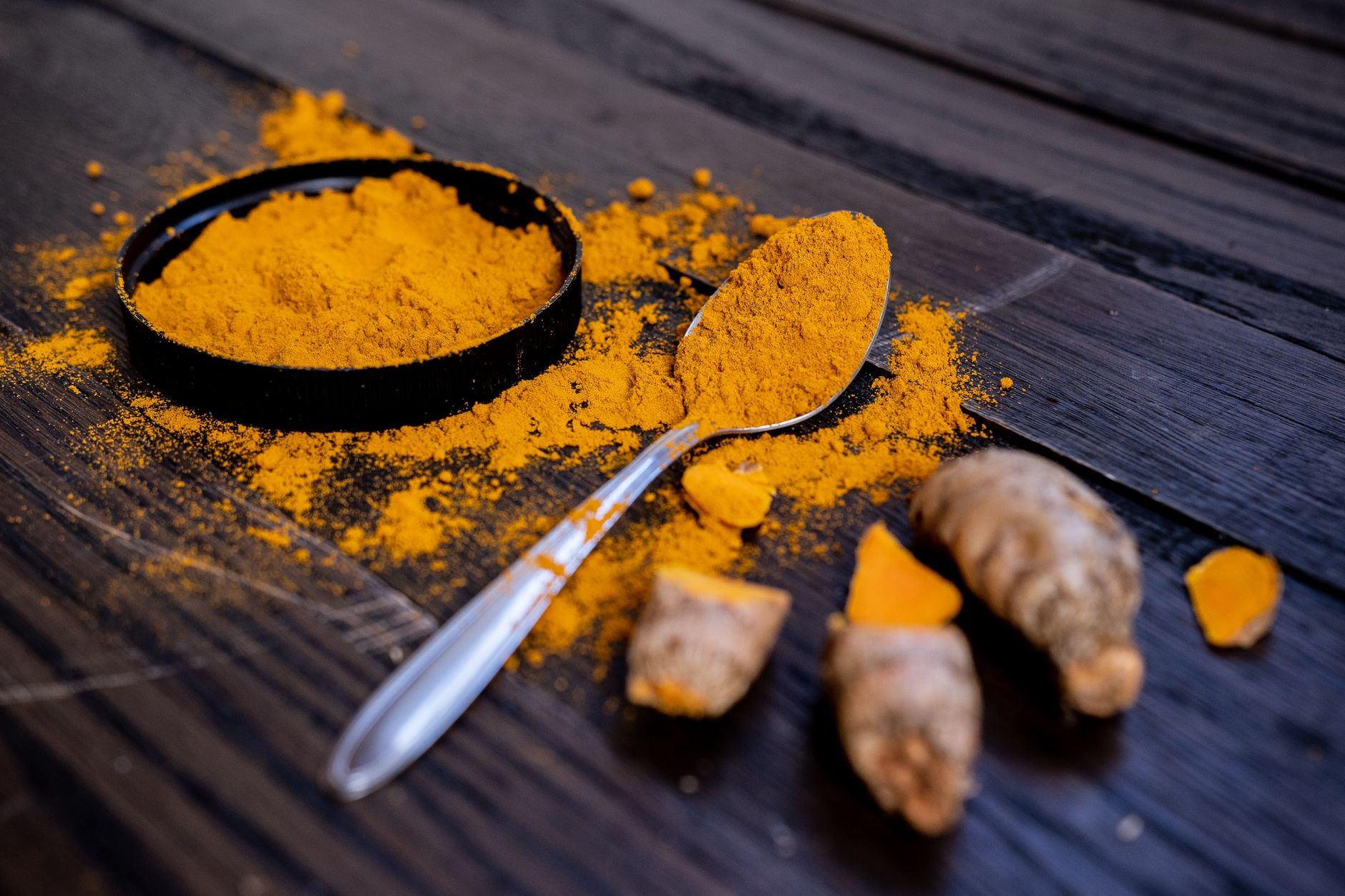
A Root With Deep Roots Long before modern pantries were stocked with trendy thickeners and beauty powders, indigenous communities across the Caribbean and South America were quietly relying on a humble tropical plant for nourishment, healing, and care. Arrowroot powder has been a cornerstone of herbal wisdom for thousands of years, prized for its gentle, versatile nature and its ability to bridge the worlds of food, medicine, and cosmetics. Today, arrowroot is experiencing a well-deserved revival. As more people search for clean, plant-based alternatives in their kitchens and medicine cabinets, this fine white powder is stepping confidently into the spotlight — and for very good reason. > "The earth provides remedies for every condition — arrowroot among the gentlest and most generous of her gifts, feeding the sick child and soothing the weary skin alike." > — Traditional Caribbean healing proverb --- MATERIA MEDICA Scientific Name: Maranta arundinacea Common Names: Arrowroot, Bermuda arrowroot, West Indian arrowroot, obedience plant Family: Marantaceae Parts Used: Rhizome (from which the starch powder is extracted) Physical Description: Maranta arundinacea is a perennial herbaceous plant growing to about 1–1.5 meters in height. Its stems are slender and reed-like, bearing broad, lance-shaped leaves with a distinctive parallel venation and a deep, lush green color. The rhizomes — the true treasure of the plant — are cylindrical, fleshy, and covered in papery scales. When harvested and processed, they yield a pure, bright white, odorless starch with a remarkably fine texture that sets it apart from other botanical starches. Small white flowers appear on delicate branching stalks, though it is the underground root system that defines this plant's extraordinary usefulness in both botanical characteristics and medicinal application. --- Habitat and Growing Conditions Arrowroot is native to the tropical regions of South America and the Caribbean, where it thrives in warm, humid environments with rich, well-drained soil. It favors partial shade and grows naturally along forest edges and riverbanks. Today, it is cultivated extensively in the Caribbean, Southeast Asia, India, and parts of Africa. The plant is remarkably hardy for a tropical species, tolerating a range of soil types as long as moisture is consistent. Because arrowroot grows close to the ground and requires no intense agricultural inputs, it has historically been a crop of subsistence farmers and traditional healers — a plant of the people, grown in back gardens and village plots the world over. --- Harvest and Collection The rhizomes are typically harvested about ten to eleven months after planting, once the plant's foliage begins to die back — a signal that the root has reached peak starch concentration. Traditional processing involves: Washing and peeling the rhizomes thoroughly Grating or crushing them to release the starch-rich pulp Washing the pulp repeatedly through fine cloths or sieves Allowing the extracted starch to settle and then sun-drying it to a fine, silky powder This labor-intensive but low-technology process has changed very little over centuries, making arrowroot one of the most traditionally preserved of all botanical preparations available today. --- Qualities, Energetics, and Actions Qualities: - Cool, dry, and light in nature - Bland and demulcent on the tongue - Deeply soothing to mucous membranes and inflamed tissues Energetics: In the framework of energetic properties used across traditional herbal systems, arrowroot is considered cooling and calming. It reduces excess heat and irritation, whether expressed as digestive inflammation, skin sensitivity, or feverish conditions. This cooling, grounding energy made it a trusted remedy in tropical climates where heat-related illness and digestive upset were common seasonal challenges. Actions: Demulcent (soothes and protects irritated tissues) Nutritive (provides easily assimilated energy) Vulnerary (supports wound healing externally) Antidiarrheal (helps bind and firm loose stools) Absorbent (draws moisture and impurities from the skin's surface) Anti-inflammatory (reduces localized inflammation topically and internally) --- Chemical Constituents The power of arrowroot lies in its remarkably pure and simple composition — a quality that makes it extraordinarily well-tolerated even by sensitive individuals. Pure starch (amylose and amylopectin): Approximately 85–95% of the powder, responsible for its thickening and demulcent actions Proteins: Present in small amounts, contributing to its mild nutritive value B-vitamins: Including folate and thiamine in modest quantities Minerals: Potassium, iron, and phosphorus in trace amounts Dietary fiber: Supports gentle digestive regulation Calcium oxalate crystals: Present in the raw root, largely eliminated through processing Notably absent are gluten, gums, or complex compounds that might trigger sensitivity — a key reason arrowroot powder is widely recommended as an arrowroot powder substitute for cornstarch in gluten-free and allergy-conscious households. --- Traditional Uses and Modern Indications The traditional uses of arrowroot are remarkably diverse, spanning cultures and centuries. Caribbean healers applied it as a poultice to draw out venom from arrow wounds — one popular origin story behind its evocative common name. Cross-culturally, arrowroot has been used for: Soothing infant digestive distress and weaning foods Supporting recovery from illness with easily digested nourishment Calming diarrhea and gastrointestinal inflammation Treating skin irritations, rashes, and minor burns topically Absorbing excess scalp oil as a gentle arrowroot powder dry shampoo Softening and mattifying skin in natural cosmetic formulations Modern wellness interest has expanded these arrowroot powder uses considerably. Research into arrowroot powder benefits for skin confirms its ability to absorb excess sebum, calm inflammation, and create a silky skin feel without clogging pores — making it a popular ingredient in natural deodorants, body powders, and face masks. When comparing arrowroot powder vs cornstarch , arrowroot consistently wins for those seeking a cleaner, less processed, gluten-free thickening agent with gentler digestive effects. It also performs better in acidic recipes and freezes more clearly than cornstarch. For hair care, arrowroot powder for hair has become a go-to ingredient in DIY dry shampoos, scalp powders, and volumizing treatments — absorbing oil, adding texture, and leaving no harsh residue. --- Three Recipes to Bring Arrowroot Into Your Practice Recipe 1: Soothing Arrowroot Digestive Porridge A gentle, traditional preparation for digestive upset, convalescence, or simply a nourishing start to the day. Ingredients: - 2 tablespoons arrowroot powder - 1.5 cups coconut milk or oat milk - 1 teaspoon raw honey or maple syrup - ¼ teaspoon ground ginger - Pinch of sea salt - Optional: ½ teaspoon cinnamon Preparation: 1. Whisk the arrowroot powder into a small amount of cold liquid (about ¼ cup) until completely smooth with no lumps. 2. Pour the remaining liquid into a small saucepan and warm over medium-low heat. 3. Slowly stir the arrowroot slurry into the warming liquid, stirring constantly. 4. Continue stirring gently until the mixture thickens to a smooth, pudding-like consistency — about 3–5 minutes. 5. Remove from heat, stir in honey, ginger, salt, and cinnamon. 6. Serve warm. Consume within an hour for best digestive benefit. This porridge is especially supportive during bouts of diarrhea or nausea, offering easily assimilated nutrition without taxing the digestive system. --- Recipe 2: Arrowroot Skin-Soothing Body Powder A classic topical preparation drawing on arrowroot powder for skin — cooling, absorbent, and beautifully simple. Ingredients: - ½ cup arrowroot powder - 2 tablespoons baking soda (omit for very sensitive skin) - 10 drops lavender essential oil - 5 drops tea tree essential oil - Optional: 1 tablespoon kaolin clay for extra absorbency Preparation: 1. Combine arrowroot powder, baking soda, and kaolin clay (if using) in a clean bowl and mix thoroughly. 2. Add essential oils drop by drop, whisking constantly to prevent clumping. 3. Break up any small clumps with the back of a spoon or sift the mixture through a fine mesh strainer. 4. Transfer to a clean, dry glass jar or a recycled powder container with a shaker lid. 5. Apply lightly to underarms, inner thighs, or feet as needed for moisture absorption and gentle odor control. This powder keeps well for up to six months stored in a cool, dry place. It also doubles beautifully as a setting powder for natural makeup routines. --- Recipe 3: DIY Arrowroot Dry Shampoo Perhaps one of the most searched and celebrated modern uses — arrowroot powder dry shampoo is quick to make and genuinely effective. Ingredients: - 3 tablespoons arrowroot powder - 1 tablespoon unsweetened cocoa powder (for medium to dark hair tones; omit for light hair) - 5 drops rosemary essential oil (optional, supports scalp circulation) - A small clean brush or powder puff for application Preparation: 1. Combine arrowroot powder and cocoa powder (if using) in a small bowl and stir until the color is fully blended and even. 2. Add rosemary essential oil drops and whisk to incorporate. 3. Transfer to a small jar or a recycled spice shaker container. 4. To use: part hair into sections and apply a small amount of the powder directly to oily roots using a brush, puff, or fingertips. 5. Allow to sit for 1–2 minutes, then work through with fingers and brush out gently. Adjust the cocoa ratio to match your hair color for an invisible, natural finish. For very light or grey hair, skip the cocoa entirely for a true white-powder effect that brushes out cleanly. --- Considerations and Contraindications Arrowroot is exceptionally well-tolerated and considered safe for most individuals, including infants, the elderly, and those with sensitive digestive systems. It is naturally gluten-free, grain-free, and hypoallergenic in its processed form. A few mindful notes: Avoid thickening acidic liquids over high heat — arrowroot breaks down and loses its thickening power when overcooked or used with highly acidic ingredients like citrus juice at high temperatures. Use externally with care around open wounds — while soothing for intact skin, raw wounds require proper medical attention. Those with known sensitivity to the Marantaceae plant family should introduce arrowroot cautiously, though reactions are exceedingly rare. As with all herbal preparations, consistency and quality of source matter greatly. Choosing well-sourced, minimally processed arrowroot powder ensures you receive the full spectrum of its gentle arrowroot powder benefits . --- Bring Arrowroot Into Your Herbal Practice Whether you're drawn to its culinary versatility, its centuries-old role in traditional uses across healing cultures, or its remarkable arrowroot powder benefits for skin and hair , this ancient root deserves a permanent place in your home apothecary. We warmly invite you to explore our thoughtfully sourced, high-quality arrowroot powder at societeapothecary.com/product/arrowroot-powder/ — where Societe gathers the finest botanical ingredients to support your wellness journey. Your kitchen, your skin, and your herbal wisdom practice will thank you.