Allspice: The Ancient Spice with Remarkable Modern Wellness Benefits
Société Team
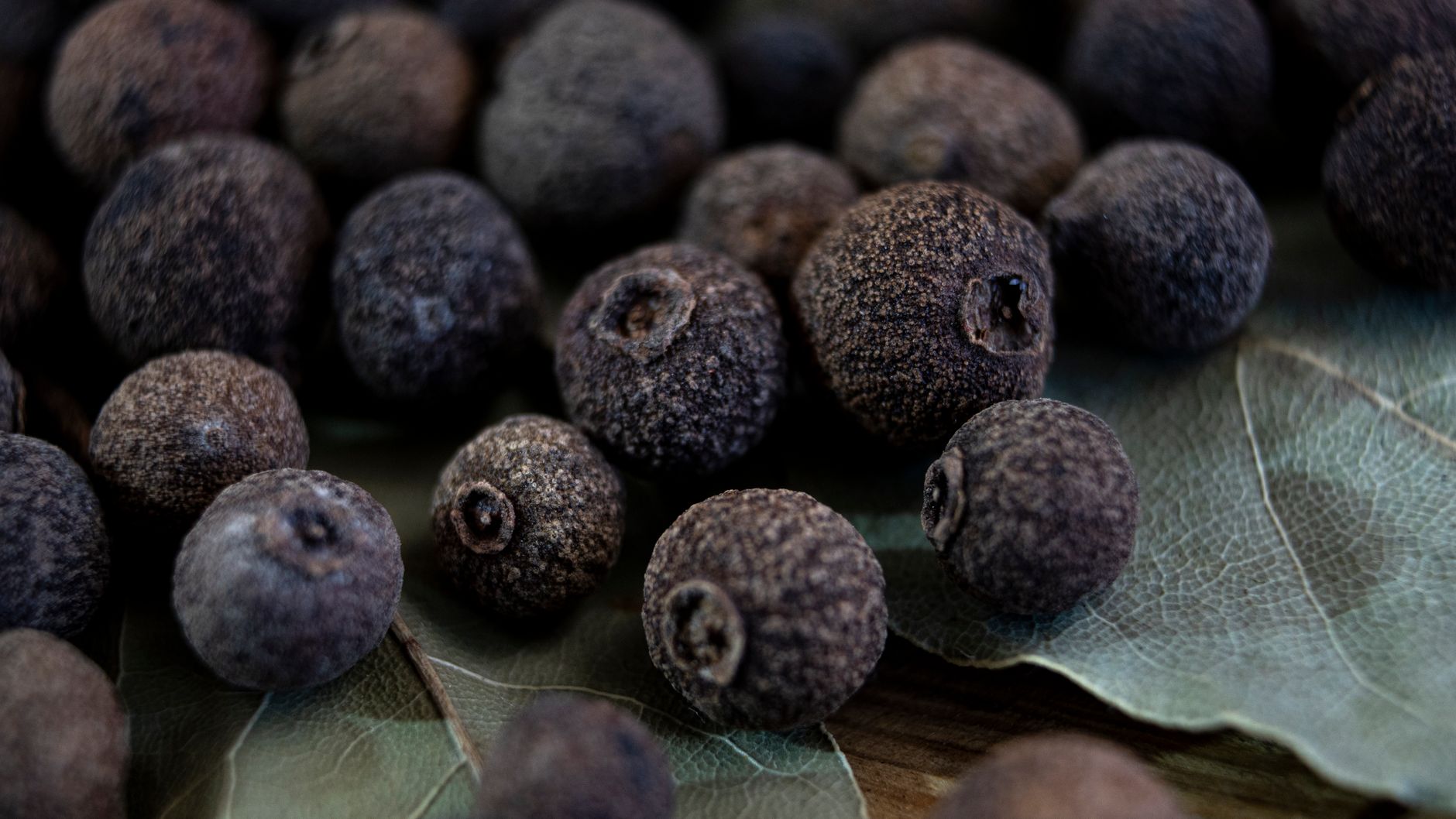
What Exactly Is Allspice? If you have ever caught a whiff of allspice and thought you were smelling a blend of cinnamon, cloves, and nutmeg all at once, you were not imagining things. Allspice earned its name precisely because its warm, complex aroma seems to capture the essence of an entire spice rack in a single berry. Allspice comes from Pimenta dioica , a tropical evergreen tree native to the Caribbean, Central America, and southern Mexico. The spice itself is the dried, unripe berry of this tree — small, round, and a deep reddish-brown color that carries its trademark intensity. Despite what many people assume, allspice is not a blend or mixture of spices. It is a single, whole ingredient with a naturally layered flavor profile that has made it one of the most versatile and celebrated spices in the world. A Rich History Rooted in the Caribbean and Beyond Long before European explorers encountered it, allspice was already deeply embedded in the cultures of the Mayan and Aztec peoples of Central America. The Maya used it to flavor chocolate and preserve foods, while various indigenous communities valued it for its medicinal and ceremonial purposes. When Spanish explorers arrived in the Caribbean in the late 15th and early 16th centuries, they encountered allspice and recognized something special. They called it pimienta — pepper — because the dried berries resembled black peppercorns. It was subsequently introduced to Europe, where it became a beloved ingredient in cooking and herbal medicine alike. By the 17th century, allspice had spread throughout Europe and was being used in everything from meat preservation to mulled wines and folk remedies. It quickly found a home in English and Scandinavian cuisines, as well as throughout the Middle East and North Africa. Today, Jamaica remains the world's leading producer of allspice, and the spice is considered an essential ingredient in Jamaican jerk seasoning — a cultural culinary cornerstone that showcases allspice's smoky, warming depth at its most vibrant. The Healing Tradition: How Allspice Has Been Used Medicinally Allspice has a long and well-documented history in traditional medicine. Across cultures and centuries, herbalists and healers recognized its remarkable therapeutic properties and incorporated it into their practices in a variety of meaningful ways. In Caribbean folk medicine, allspice berries were brewed into teas and infusions to address digestive complaints, muscle aches, and feelings of fatigue. The leaves of the Pimenta dioica tree were used in poultices and topical preparations to soothe sore joints and warm tense muscles. Native communities in Central America used allspice to treat: Indigestion, bloating, and intestinal cramps Cold and flu symptoms, particularly chills and congestion Toothaches and oral discomfort Muscle and joint pain from overexertion or arthritis Nervous exhaustion and fatigue In European herbal tradition, allspice appeared in apothecary records as a warming carminative — a substance used to expel gas, ease digestive cramping, and stimulate appetite. It was also applied as a topical anesthetic in dental practices long before modern dentistry existed. This impressive cross-cultural legacy speaks volumes about allspice's genuine therapeutic value across diverse healing traditions. The Science Behind the Spice: Key Compounds and Properties Modern research has begun to validate what traditional healers observed for centuries. The health-promoting properties of allspice are largely attributed to its rich concentration of bioactive compounds. The most significant of these is eugenol , a phenolic compound also found in cloves and bay leaves. Eugenol is responsible for much of allspice's medicinal reputation and has been extensively studied for its anti-inflammatory, antimicrobial, antifungal, and analgesic effects. Allspice also contains a notable array of additional beneficial compounds, including: Quercetin — a powerful antioxidant flavonoid that helps protect cells from oxidative stress Tannins — astringent plant compounds with antimicrobial and anti-inflammatory activity Ericifolin — a compound unique to Pimenta dioica with emerging research into its anti-cancer potential Caryophyllene — a terpene with anti-inflammatory and analgesic properties Vitamins and minerals — including vitamin C, vitamin A, iron, calcium, magnesium, and potassium These compounds work together in ways that exemplify the synergistic nature of whole herbs and spices. Rather than a single isolated molecule, allspice offers a complex matrix of plant intelligence that supports the body from multiple angles simultaneously. Health Benefits Worth Knowing About Given its rich phytochemical profile, allspice offers a genuinely impressive range of potential wellness benefits. Here is a closer look at what regular use of this humble berry may support. Digestive Health and Comfort Allspice has long been considered a premier digestive herb. Eugenol and other volatile oils in the berry help relax smooth muscle tissue in the gut, which can relieve cramping, bloating, and gas. It acts as a carminative — helping to move gas through the digestive tract — and may stimulate the production of digestive enzymes. For anyone prone to sluggish digestion or post-meal discomfort, a warm allspice infusion can be a deeply soothing ritual. Anti-Inflammatory Support Chronic inflammation sits at the root of many modern health challenges. The eugenol and quercetin in allspice both demonstrate meaningful anti-inflammatory activity, helping to calm the body's inflammatory response. This makes allspice particularly interesting for those dealing with joint discomfort, muscle soreness, or inflammatory digestive conditions. While no spice is a cure-all, incorporating anti-inflammatory herbs and spices into daily life can contribute meaningfully to overall wellness over time. Antimicrobial and Immune-Supportive Properties Allspice has demonstrated strong antimicrobial activity against a range of bacteria and fungi in laboratory studies. Historically, this property made it useful as a food preservative — a practical application of its natural biology. For immune wellness, allspice works on multiple fronts: its antimicrobial compounds help the body resist pathogens, its antioxidants reduce oxidative damage, and its warming nature helps stimulate circulation and vitality during times of seasonal vulnerability. Circulation and Warmth Allspice is a classic warming herb in the energetic tradition of herbal medicine. It gently stimulates circulation, bringing warmth to cold extremities and helping to invigorate a sluggish system. This quality makes it especially valuable in the colder months, when the body often needs support in maintaining warmth and circulation. A cup of allspice tea or a warming blend that features allspice prominently can feel genuinely restorative on a cold winter afternoon. Pain Relief and Topical Use The analgesic properties of eugenol are well-established. Dentists have used eugenol-based preparations for toothache relief for generations, and allspice has traditionally been applied topically in poultices for muscle and joint pain. When used in topical preparations — such as infused oils or salves — allspice can provide a warming sensation that helps ease sore muscles and stiff joints. Always dilute appropriately when using in topical applications to avoid skin irritation. How to Prepare and Use Allspice for Wellness One of the great joys of working with allspice is its remarkable versatility. There are many simple, satisfying ways to incorporate it into your daily wellness practice. Allspice Tea or Infusion Brewing whole or lightly crushed allspice berries into a tea is one of the most traditional and effective ways to access their medicinal benefits. Use approximately 1 teaspoon of lightly crushed berries per cup of hot water, steep for 10–15 minutes, and strain. This warming brew is wonderful after meals to support digestion, or on cold evenings to promote circulation and relaxation. Adding a cinnamon stick, a slice of ginger, or a pinch of black pepper creates a deeply aromatic and therapeutic blend. Culinary Integration Do not underestimate the wellness power of simply cooking with allspice regularly. Adding it to soups, stews, marinades, and spiced baked goods is an effortless way to bring its benefits into your diet. It pairs beautifully with rich meats, root vegetables, legumes, and warming desserts like spiced cakes and poached fruits. Even a pinch in your morning oatmeal or smoothie can add complexity and a gentle digestive boost. Allspice in Spice Blends Allspice is a foundational ingredient in many traditional spice blends from around the world. It is an essential component of Jamaican jerk seasoning, Middle Eastern baharat, British mixed spice, and various North African ras el hanout blends. Creating your own blends at home allows you to control quality and potency while exploring the rich culinary traditions that have celebrated allspice for centuries. Topical Applications For muscle and joint support, allspice can be infused into a carrier oil over low heat and applied directly to areas of discomfort. Always patch-test first, and ensure the preparation is not too concentrated to avoid potential skin irritation. Some herbalists also add a few drops of allspice essential oil to bath water for a warming, circulatory soak — a wonderfully indulgent and therapeutic practice during cold or physically demanding periods. Allspice in Modern Wellness and Apothecary Traditions There is a beautiful and growing movement returning to the wisdom of plant-based wellness — not as a rejection of modern medicine, but as a complement to it. Allspice occupies a special place in this revival. Its accessibility, affordability, and multifaceted benefits make it an ideal herb for those new to botanical wellness, while its depth and complexity keep it endlessly fascinating for experienced herbalists. Whether you encounter it in a warming tea blend, a culinary spice rub, or a topical preparation, allspice never fails to deliver. Sourcing high-quality allspice matters enormously. The potency and purity of your herb directly affects both its flavor and its therapeutic value. Whole dried berries, thoughtfully sourced and properly stored, will always outperform pre-ground spice that has been sitting in a warehouse for months. Looking for fragrant, high-quality allspice to add to your wellness and culinary practice? Societe carries beautifully sourced allspice that honors both the tradition and the potential of this remarkable herb — explore it at societeapothecary.com/product/allspice/ and bring a little Caribbean warmth into your home. We would love to be part of your herbal journey, so browse the full Societe collection and discover the herbs and botanicals waiting to support your everyday wellness.