Adaptogens for Beginners: Ashwagandha, Rhodiola & Maca
Société Team
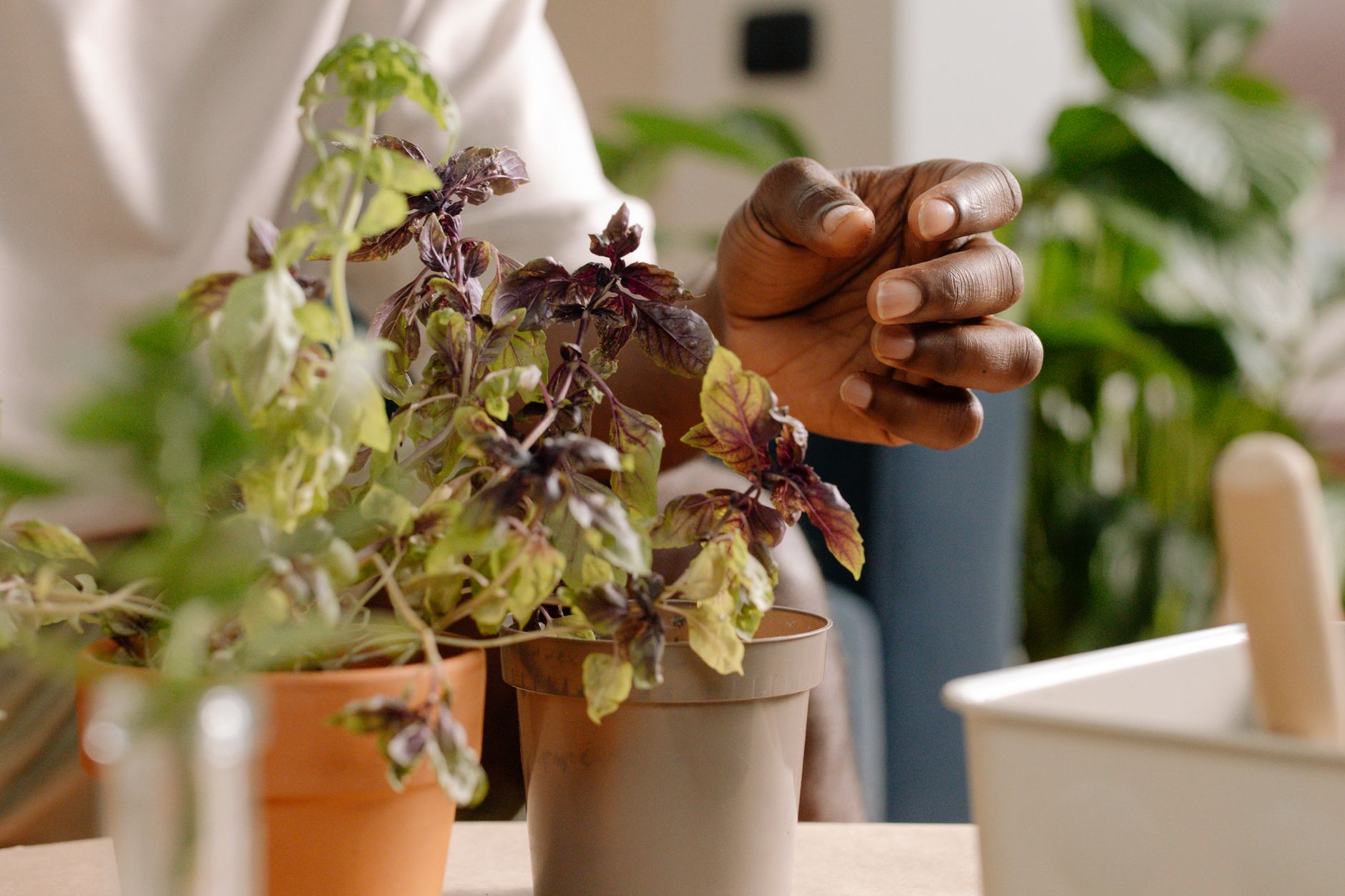
What Are Adaptogens, and Why Is Everyone Talking About Them? If you've been exploring the world of herbal wellness, you've almost certainly encountered the word adaptogen — and if you're new to it, you're in exactly the right place. Adaptogens for beginners can feel like a big, intimidating topic, but the core idea is beautifully simple. Adaptogens are a class of herbs, roots, and mushrooms that help your body adapt to stress — whether that stress is physical, mental, or emotional. Rather than forcing your body in one direction, they work to restore balance, supporting your natural resilience over time. The term "adaptogen" was coined in 1947 by Soviet pharmacologist Nikolai Lazarev, who was searching for substances that could help soldiers and workers perform under extreme conditions. Decades of research, particularly from Russian and Scandinavian scientists, followed — and today, these ancient plants are finding their way into modern wellness routines around the world. How Do Adaptogens Actually Work? Understanding what are adaptogens means understanding a little about your stress response. When you experience stress, your body activates the hypothalamic-pituitary-adrenal (HPA) axis, flooding your system with cortisol and adrenaline. This is useful in short bursts — but chronic stress keeps this system perpetually switched on, leading to fatigue, brain fog, poor sleep, and burnout. Adaptogens interact with this stress-response system in a gentle, regulatory way. They don't sedate you, and they don't artificially stimulate you. Instead, they help bring the HPA axis back toward a healthy baseline — a process researchers call non-specific resistance . This is what makes them so different from a cup of coffee or a sleeping pill. They work with your body's own intelligence , nudging it toward equilibrium rather than overriding it. Meet the Three Starter Adaptogens: Ashwagandha, Rhodiola & Maca There are dozens of adaptogens used in herbal traditions worldwide — from holy basil to reishi mushrooms to eleuthero. But three have risen to particular prominence in modern Western herbalism, and they make an ideal starting point for anyone new to this world. Each one has a distinct character, a different energetic quality, and unique strengths. Getting to know them individually is the best way to figure out which one — or which combination — might be right for you. Ashwagandha: The Great Calmer Ashwagandha ( Withania somnifera ) is one of the most revered herbs in Ayurvedic medicine, with a history of use stretching back over 3,000 years. Its name translates roughly from Sanskrit as "smell of horse" — a reference both to its distinctive earthy scent and to the strength and vitality it was said to confer. Ashwagandha benefits are well-supported by modern research. Studies have shown it can meaningfully reduce cortisol levels, improve sleep quality, support thyroid function, and ease anxiety. It's particularly well-suited to people who feel wired but exhausted — that classic burnout state where you're too tired to sleep and too stressed to rest. In practice, ashwagandha has a grounding, warming quality. It's often described as nourishing and deeply restorative, making it an excellent evening herb or a long-term tonic for those rebuilding their energy reserves. Rhodiola: The Energising Mountaineer Rhodiola rosea grows at high altitudes in the cold mountains of Siberia, Scandinavia, and Central Asia — and it carries that hardy, resilient energy into everything it does. Used for centuries by Viking warriors and Siberian mountain peoples, it was historically taken to enhance endurance, combat fatigue, and lift the spirits during long, dark winters. Modern rhodiola benefits include improved mental clarity, reduced mental fatigue, enhanced athletic performance, and mood support. Unlike ashwagandha, rhodiola tends to be more energising and uplifting — making it a better fit for morning use or for people dealing primarily with mental exhaustion and low motivation rather than anxiety. Rhodiola is also one of the most studied adaptogens, with clinical trials suggesting it can significantly reduce symptoms of burnout and improve cognitive performance under pressure. Maca: The Andean Powerhouse Maca ( Lepidium meyenii ) is technically a root vegetable — a member of the brassica family, closely related to turnips and radishes. It grows exclusively in the high Andes of Peru and Bolivia, where it has been cultivated and eaten for over 2,000 years as both food and medicine. Maca benefits centre around hormone balance, sustained energy, and libido. It doesn't contain hormones itself but appears to work on the endocrine system in a balancing way, which is why it's been traditionally used to support fertility, ease menopause symptoms, and maintain vitality. Maca also has a genuinely pleasant, slightly nutty, malty flavour — making it the easiest of the three to work into everyday cooking and drinks. Maca comes in three colour varieties — yellow, red, and black — each with slightly different traditional uses, though yellow is the most widely available and versatile for general wellness. Three Easy Adaptogen Recipes to Try at Home One of the loveliest things about adaptogens is how naturally they blend into daily rituals. Here are three practical, delicious recipes using these three herbs — a warming golden latte, a simple ashwagandha tincture, and a nourishing maca energy ball. Recipe 1: Ashwagandha Golden Milk Latte This warming evening drink combines ashwagandha's calming properties with the anti-inflammatory power of turmeric. It's a beautiful, grounding ritual to wind down after a stressful day. Ingredients: - 1½ cups oat milk or full-fat coconut milk - 1 tsp ashwagandha root powder - 1 tsp ground turmeric - ½ tsp ground cinnamon - ¼ tsp ground ginger - 1 tsp raw honey or maple syrup (to taste) - Small pinch of black pepper Method: 1. Warm the milk in a small saucepan over medium-low heat — do not boil. 2. Whisk in the ashwagandha, turmeric, cinnamon, ginger, and black pepper until fully combined. 3. Remove from heat and stir in honey or maple syrup. 4. Pour into your favourite mug and sip slowly, ideally 30–60 minutes before bed. Recipe 2: Rhodiola & Maca Morning Alchemy Smoothie This energising morning smoothie is inspired by the kind of functional blends we love — like Societe's own Morning Alchemy — layering adaptogens with real food ingredients for a genuinely nourishing start to the day. Ingredients: - 1 large frozen banana - 1 cup oat milk or almond milk - 1 tsp maca powder (yellow) - ½ tsp rhodiola root powder - 1 tbsp almond butter - 1 tsp raw cacao powder - 1 tsp raw honey - 4–5 ice cubes Method: 1. Add all ingredients to a high-speed blender. 2. Blend on high for 30–45 seconds until completely smooth. 3. Taste and adjust sweetness with a little extra honey if needed. 4. Pour into a glass and enjoy immediately. Best taken in the morning or early afternoon — rhodiola is energising enough that evening use may interfere with sleep for sensitive individuals. Recipe 3: Simple Ashwagandha Honey Tincture A tincture is one of the most traditional and effective ways to take adaptogenic herbs — and making your own at home is a deeply satisfying process. This gentle honey-based version (called an electuary in traditional herbalism) is ideal for those who prefer to avoid alcohol. Ingredients: - 3 tbsp ashwagandha root powder - 6 tbsp raw local honey - Optional: ½ tsp vanilla extract or a pinch of cardamom for flavour Method: 1. Combine the ashwagandha powder and honey in a clean glass jar and stir very thoroughly until a uniform paste forms. 2. Add vanilla or cardamom if using and stir again. 3. Seal the jar and leave it to infuse at room temperature for 1–2 weeks, stirring every couple of days. 4. To use, take ½ to 1 teaspoon directly or stirred into warm (not boiling) water, herbal tea, or milk once or twice daily. 5. Store in a cool, dark place; keeps for up to 3 months. Bringing Adaptogens Into Your Daily Routine Consistency is the secret to getting the most from adaptogens. Unlike pharmaceuticals that often act quickly, these herbs work cumulatively — most people notice a meaningful difference after 4–8 weeks of regular use. The simplest approach is to choose one adaptogen that resonates with your current needs and commit to it daily for at least a month before adding others. If you're exhausted and anxious, start with ashwagandha. If you're mentally foggy and low-energy, try rhodiola. If you're looking for hormone balance and steady vitality, maca is a wonderful starting point. For those who want the benefits of multiple adaptogens without juggling several products, blended formulas like Morning Alchemy are a brilliant solution — thoughtfully combined to work synergistically and take the guesswork out of dosing. Adaptogen tinctures are another excellent option for busy routines — a few drops in water, tea, or even juice makes daily use effortless and consistent. A Note on Safety and Who Should Take Care Adaptogens are generally very well-tolerated by healthy adults, but as with any herb or supplement, it's important to approach them thoughtfully. A few important points to keep in mind: Ashwagandha is a member of the nightshade family and should be avoided by those with sensitivities to nightshades or autoimmune conditions without professional guidance. Rhodiola can be mildly stimulating — those with bipolar disorder, anxiety disorders, or who are sensitive to stimulants should start with very low doses. Maca affects the endocrine system and should be used cautiously by those with hormone-sensitive conditions such as PCOS, endometriosis, or certain cancers. All three adaptogens should be used with caution during pregnancy and breastfeeding — consult a midwife or herbalist before use. Please note: The information in this post is for educational purposes only and is not intended as medical advice. Always consult a qualified healthcare practitioner or registered herbalist before introducing new herbs, especially if you are pregnant, nursing, taking medications, or managing a health condition. Ready to Explore the World of Adaptogens? We hope this guide has made the world of adaptogens for beginners feel a little less overwhelming and a lot more exciting. These plants have supported human resilience for thousands of years — and they're waiting to do the same for you. If you're ready to take the next step, we'd love to welcome you to the Societe community. Head over to societeapothecary.com to explore our carefully crafted Morning Alchemy blend, adaptogen tinctures, and other botanically inspired products — each one made with the quality and intention you deserve. We can't wait to be part of your wellness journey.