11 Natural Herbal Remedies for Boosting Energy Levels
Société Apothecary
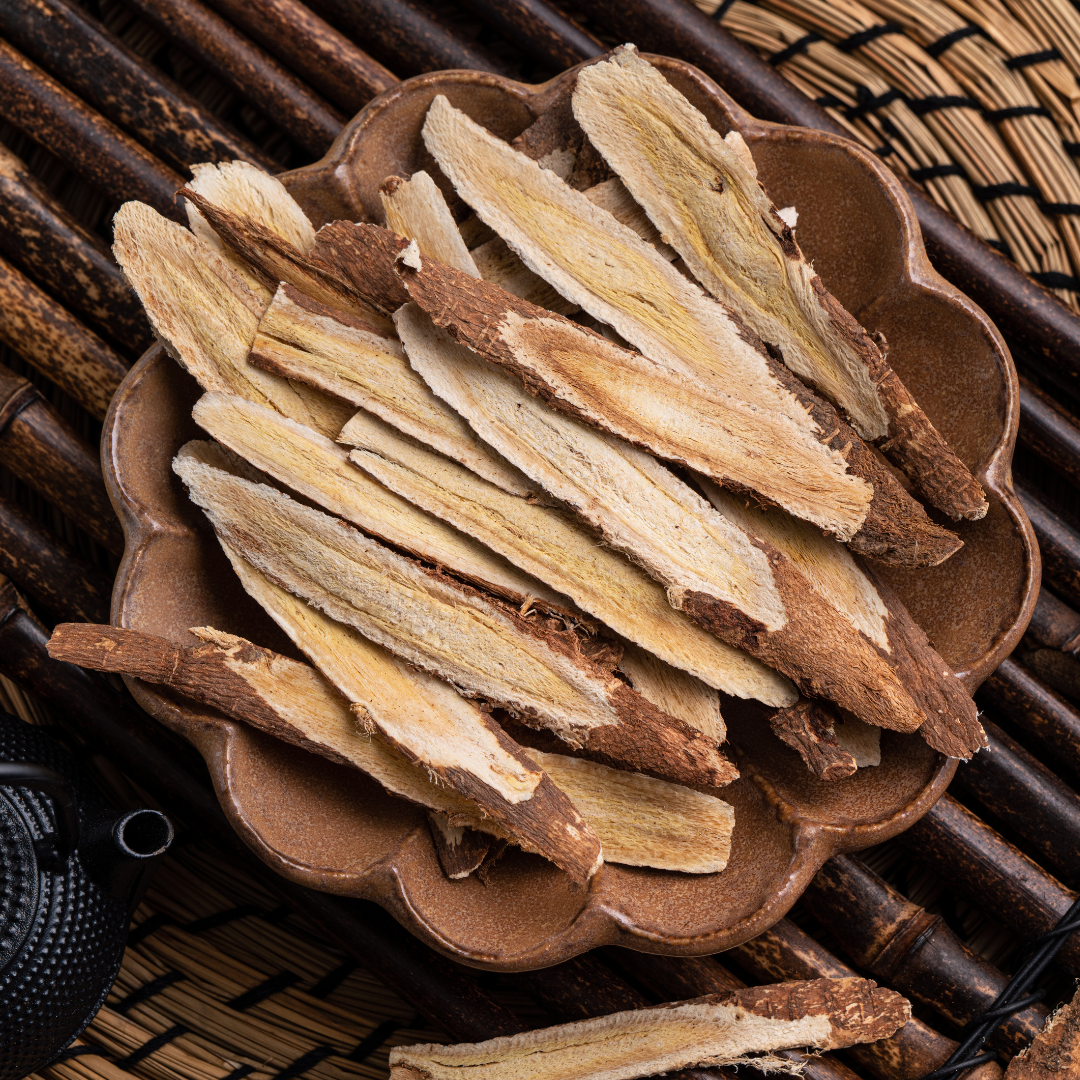
Energy Herbs In today's fast-paced world, many of us find ourselves struggling to maintain energy levels throughout the day. While reaching for a cup of coffee or an energy drink might provide a temporary boost, relying on these stimulants can lead to crashes and dependency over time. Fortunately, nature offers a plethora of herbal remedies that can help increase energy levels naturally, without the side effects associated with caffeine and other stimulants. In this blog post, we'll explore some of the best herbal remedies for boosting energy and vitality. Astraga lus Astragalus, a revered herb in traditional Chinese medicine, is renowned for its ability to boost energy levels and enhance vitality. Rich in antioxidants and immune-stimulating compounds, astragalus works by supporting the body's natural ability to adapt to stress and maintain optimal energy levels. By nourishing the adrenal glands and improving circulation, astragalus helps combat fatigue and promote overall well-being. Whether taken as a supplement or brewed into a tea, incorporating astragalus into your daily routine can provide sustained energy and vitality to help you tackle life's challenges with vigor and resilience. Ginseng Ginseng has been used for centuries in traditional Chinese medicine to enhance energy, stamina, and mental clarity. It is believed to work by improving circulation and oxygenation of cells, thereby increasing energy levels and reducing fatigue. Rhodiola Rhodiola, also known as Arctic root or golden root, is an adaptogenic herb that helps the body adapt to stress and fatigue. It has been shown to improve physical endurance, mental focus, and overall energy levels, making it a popular choice for combating fatigue and burnout. Ashwagandha Ashwagandha is an ancient medicinal herb that is revered for its ability to reduce stress, improve energy levels, and promote overall well-being. It works by balancing cortisol levels in the body, thereby reducing feelings of fatigue and increasing vitality. Maca Maca root is a nutrient-dense superfood that has been used for centuries by indigenous Andean cultures to enhance energy, stamina, and libido. It is rich in vitamins, minerals, and amino acids, making it an excellent natural energy booster. Eleuthero: Eleuthero, also known as Siberian ginseng, is an adaptogenic herb that helps the body adapt to physical and mental stressors. It has been shown to increase energy levels, improve endurance, and enhance overall vitality. Cordyceps Cordyceps is a medicinal mushroom that has been used in traditional Chinese medicine for centuries to enhance energy, stamina, and athletic performance. It works by increasing oxygen utilization in the body, thereby improving energy production and reducing fatigue. Green Tea Green tea contains caffeine, but it also contains L-theanine, an amino acid that promotes relaxation and mental clarity. This unique combination of compounds provides a gentle and sustained energy boost without the jitters or crashes associated with coffee. Peppermint Peppermint essential oil is known for its invigorating aroma, which can help increase alertness and mental clarity. Inhaling peppermint oil or using it in a diffuser can help boost energy levels and promote feelings of wakefulness. You can also put a couple drops on your ear lobes for a quick boost. Lemon Balm Lemon balm is a calming herb that can help reduce stress and anxiety while also promoting mental clarity and focus. It can be consumed as a tea or taken in supplement form to help combat fatigue and increase energy levels. Gotu Kola Gotu kola is an adaptogenic herb that has been used in Ayurvedic medicine for thousands of years to improve cognitive function, reduce fatigue, and enhance vitality. It works by increasing blood flow to the brain, thereby improving mental clarity and focus. Incorporating these natural herbal remedies into your daily routine can help increase energy levels, reduce fatigue, and promote overall well-being. However, it's important to remember that individual responses to herbs can vary, so it's always a good idea to consult with a healthcare professional before starting any new herbal regimen, especially if you have any underlying health conditions or are taking medications. Three Ginseng Recipes to Try at Home Energizing Ginseng Tea 1 tablespoon dried ginseng root (sliced or powdered) 2 cups water Honey or lemon (optional) Boil the water in a small saucepan. Add the ginseng root to the boiling water. Reduce heat and let it simmer for 15-20 minutes. Strain the tea into a cup. Add honey or lemon to taste if desired. Enjoy this soothing tea in the morning or early afternoon for an energy lift. Ginseng and Honey Energy Bites 1 cup rolled oats 1/2 cup natural peanut butter 1/4 cup honey 1 tablespoon ground ginseng root 1/4 cup dark chocolate chips 1/4 cup chopped nuts (such as almonds or walnuts) In a large bowl, combine oats, peanut butter, honey, and ground ginseng. Mix well until the ingredients are thoroughly combined. Stir in the dark chocolate chips and chopped nuts. Roll the mixture into small, bite-sized balls. Place the bites on a baking sheet and refrigerate for at least 30 minutes. Store in an airtight container and enjoy a bite whenever you need an energy boost. Revitalizing Ginseng Tincture 1 cup dried ginseng root (sliced) 2 cups vodka or brandy Glass jar with a tight-fitting lid Place the dried ginseng root in the glass jar. Pour the vodka or brandy over the ginseng, ensuring the root is completely submerged. Seal the jar tightly and store it in a cool, dark place for 6-8 weeks, shaking it gently once a week. After the infusion period, strain the liquid into a clean bottle. Take 1-2 teaspoons of the tincture daily, diluted in water or juice. Store the tincture in a cool, dark place for up to one year. Always consult a qualified practitioner before starting any new herbal regimen, especially if you have underlying health conditions or are on medication.